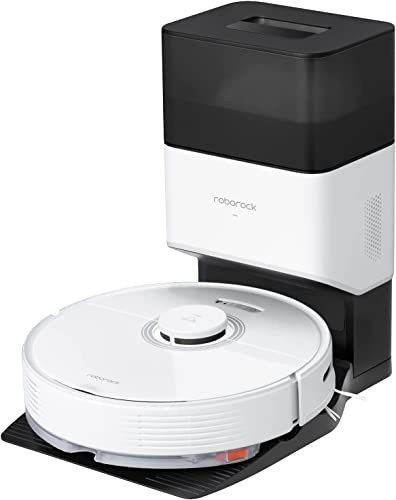
Buzzwords De-Buzzed: 10 Alternative Ways To Deliver Robot Hoover And Mop
The Rise of Robot Hoover and Mop: A New Era in Home Cleaning
In the rapidly advancing world of innovation, the landscape of home cleaning is going through a substantial improvement with the intro of robot hoover and mop systems. These intelligent gadgets are not just making our lives simpler however are also setting brand-new standards for tidiness and performance. As robot cleaner uk welcome these innovative options, it's vital to understand their abilities, advantages, and possible disadvantages. This short article looks into the functions, functions, and future of robot hoover and mop systems, providing a comprehensive guide for those thinking about incorporating these gadgets into their day-to-day routines.
What Are Robot Hoover and Mop Systems?
Robot hoover and mop systems are autonomous cleaning gadgets created to maintain the cleanliness of floors in homes and offices. These robots are geared up with advanced sensing units, mapping technology, and AI algorithms that enable them to navigate through spaces, recognize dirt and challenges, and clean efficiently without human intervention. The hoover element is responsible for vacuuming dust, dirt, and particles, while the mop component is charged with wet cleaning and polishing tough surfaces.
Secret Features and Functions
Autonomous Navigation
- Mapping and Planning: Modern robot hoover and mop systems utilize LiDAR (Light Detection and Ranging) or visual navigation systems to produce a map of the environment. This permits them to plan effective cleaning routes and avoid obstacles.
- Smart Obstacle Detection: Advanced sensing units help the robot identify and navigate around furniture, animals, and other challenges, guaranteeing that it does not get stuck or trigger damage.
Multi-Surface Cleaning
- Versatility: These robotics can clean a variety of surface areas, consisting of wood, tile, and carpet. Some designs are even created to transition effortlessly between different kinds of floor covering.
- Adjustable Water Flow: For the mopping function, adjustable water circulation settings make sure that the ideal quantity of moisture is utilized on various surface areas to avoid water damage.
Personalized Cleaning Schedules
- Timed Cleaning: Users can set particular times for the robot to begin cleaning, permitting a consistent and foreseeable cleaning schedule.
- Push-button control: Most robots can be managed through a smartphone app, making it possible for users to begin, stop, or schedule cleaning sessions from anywhere.
Effective Dirt and Dust Removal
- Premium Filters: Many models feature HEPA filters that record fine dust and allergens, making them ideal for households with allergic reactions.
- Strong Suction: Powerful motors supply strong suction to raise and get rid of embedded dirt and particles from floorings.
Upkeep and Convenience
- Self-Emptying Bins: Some advanced designs feature self-emptying bins, minimizing the need for regular manual maintenance.
- Auto-Return to Charging Station: When the battery is low, the robot automatically returns to its charging station, guaranteeing it is always all set for the next cleaning session.
Integration with Smart Home Devices
- Voice Control: Compatibility with smart home assistants like Amazon Alexa and Google Assistant enables voice-activated cleaning.
- Home Security: Some models can be geared up with electronic cameras and motion sensing units, doubling as security devices while they clean.
Benefits of Robot Hoover and Mop Systems
Time and Effort Savings
- Hands-Free Cleaning: The primary advantage of these robotics is their capability to clean up without consistent human supervision, maximizing time for other activities.
- Consistent Cleaning: Scheduled cleaning sessions ensure that floorings remain tidy and sanitary, minimizing the frequency of manual cleaning.
Enhanced Cleanliness
- Dust and Allergen Reduction: High-quality filters and strong suction can considerably decrease the amount of dust and allergens in the home, leading to a healthier living environment.
- Deep Cleaning: Some designs are geared up with scrub brushes and mopping fabrics that can access hard-to-reach areas, offering a much deeper tidy.
Eco-Friendly
- Energy Efficiency: Robot hoover and mop systems are designed to be energy-efficient, using less power compared to conventional vacuum.
- Water Usage: The mopping function utilizes water sensibly, helping to conserve resources.
User-Friendly
- Easy Setup: Most models include user-friendly user interfaces and easy setup processes, making them available to tech-savvy and non-tech-savvy users alike.
- App Integration: Smartphone apps provide in-depth cleaning reports, permitting users to monitor and change cleaning settings as needed.
Possible Drawbacks
Cost
- Preliminary Investment: While the long-lasting savings on manual cleaning are apparent, the upfront expense of a robot hoover and mop system can be significant.
Upkeep
- Regular Cleaning: The brushes, filters, and mopping fabrics need to be cleaned up regularly to make sure optimum efficiency.
- Battery Life: Like all battery-operated devices, the robot's battery needs periodic charging and replacement.
Restricted Cleaning Capabilities
- Stairs and High Surfaces: Most robotics are not developed to clean stairs or high surfaces like countertops.
- Heavy Dirt and Messes: For severe dirt and spills, manual cleaning might still be necessary.
Best Practices for Using Robot Hoover and Mop Systems
Pre-Cleaning Preparation
- Clear the Floors: Remove big things and clutter from the floor to make sure the robot can browse easily.
- Protected Pets and Children: Keep family pets and kids far from the robot during cleaning to avoid accidents and disturbance.
Routine Maintenance
- Clean the Brushes and Filters: Regularly tidy the brushes and filters to prevent clogging and preserve efficiency.
- Look for Obstacles: Regularly examine for any little items that might present a risk to the robot, such as cords or small toys.
Optimize Cleaning Settings
- Adjust Water Flow: Set the water circulation to the appropriate level for the kind of flooring.
- Set Up Cleaning Sessions: Set a cleaning schedule that fits your family's requirements, such as day-to-day or weekly cleaning sessions.
Screen and Adjust
- Evaluation Cleaning Reports: Use the app to review cleaning reports and determine areas that may need extra attention.
- Update Firmware: Keep the robot's firmware updated to take advantage of the current functions and improvements.
FAQs
Q: How often should I clean my robot hoover and mop?
- A: It's suggested to clean up the brushes, filters, and mopping fabrics after every 3-5 cleaning sessions to make sure optimal efficiency.
Q: Can these robotics tidy stairs?
- A: No, a lot of robot hoover and mop systems are developed to clean flat surface areas and can not browse stairs.
Q: Are they appropriate for homes with animals?
- A: Yes, numerous models are equipped with pet hair cleaning features and can handle the additional dirt and hair that animals bring into the home.
Q: How long do the batteries last?
- A: Battery life varies by design, but the majority of robotics can clean up for 90-120 minutes before requiring a recharge.
Q: Can I control the robot with my voice?
- A: Yes, many models work with smart home assistants like Amazon Alexa and Google Assistant, permitting voice-activated control.
Robot hoover and mop systems represent a significant leap forward in home cleaning technology. Their capability to browse autonomously, clean several surface areas, and incorporate effortlessly with smart home gadgets makes them an appealing option for busy households. While there are some disadvantages, such as the initial expense and the requirement for regular upkeep, the advantages of constant, hands-free cleaning and enhanced indoor air quality are hard to neglect. As innovation continues to evolve, these robots are most likely to become much more efficient and easy to use, more solidifying their place in the contemporary home.
By understanding the features, functions, and best practices for these devices, property owners can make informed decisions about whether a robot hoover and mop system is the ideal choice for their needs. Whether you're wanting to save time, improve tidiness, or accept the most recent in home automation, these robotics offer a compelling solution to the age-old problem of floor cleaning.